
Heidi Schatzl
As part of FREE AWAY.
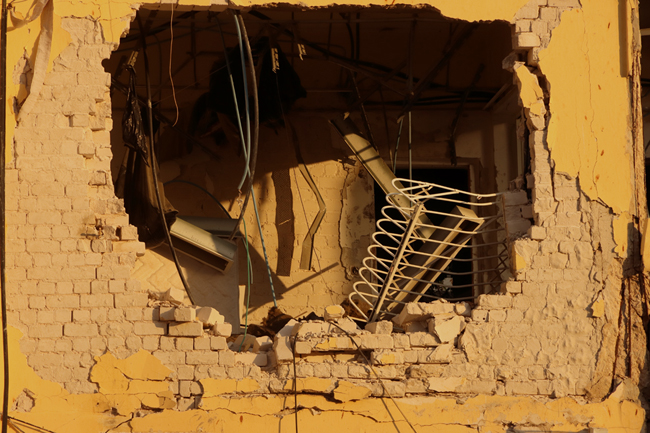
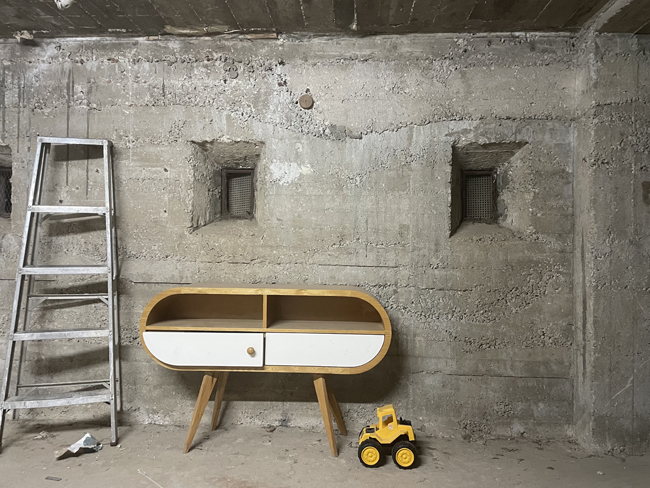
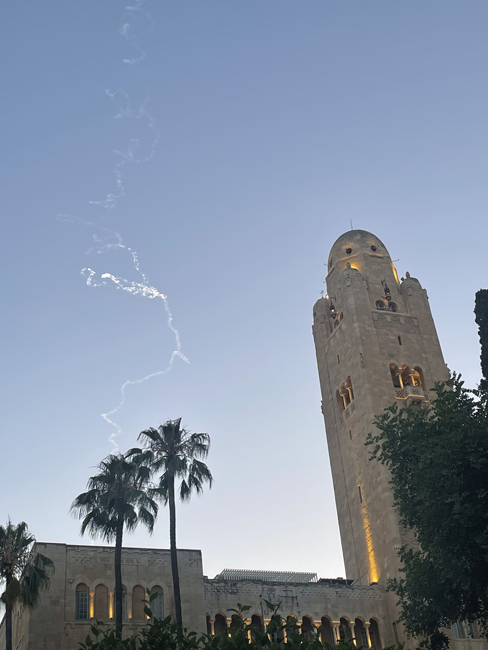
Since the Hamas attack on October 7, 2023, Israel has been in a multi-front war, as a result of which I had to cut my stay short. I spent the rocket attacks in Israeli bunkers; the continuation of my residency in the fall was unexpectedly calm. As little as the ceasefire is believed to last, it nevertheless allows for a moment of relief – and for amazement that it has held, so far, day after day.
At the moment, small steps count: encounters, exchanges from person to person. For the currency that matters most in Israel is called trust. At the very top stands the trust in still being here tomorrow.
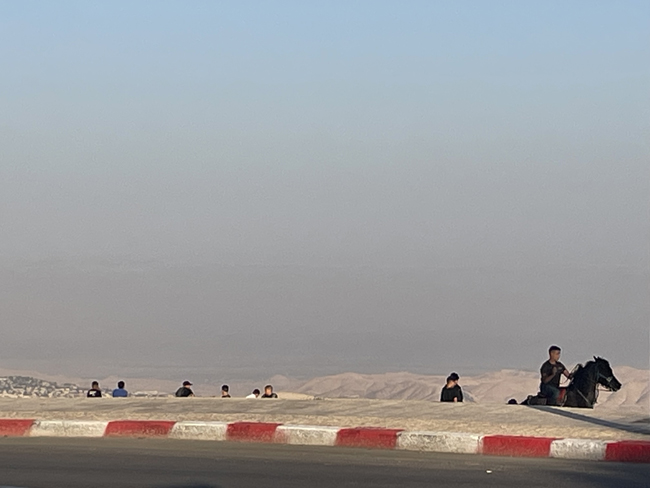
As a tourist, I have the freedom to walk the paths of Jewish and Arab Israelis alike. Before the war, when I still took public buses into the West Bank, people would ask me what it was like on the other side of the border. Since the war, I am asked how I managed to get here at all. What it is that I like here. Sometimes I am amusedly told that it may even be the people themselves whom I like.
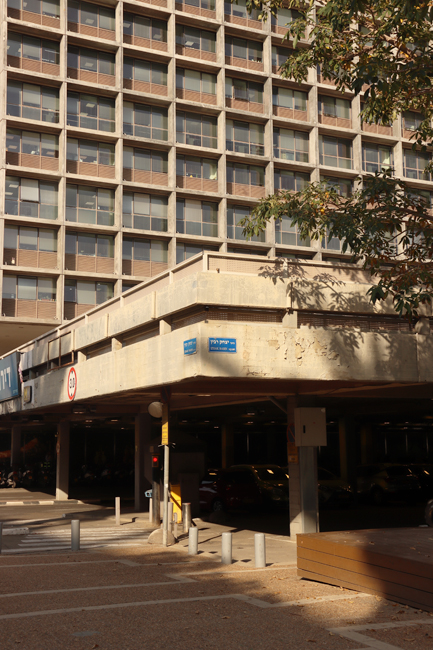
I had two exhibitions. One of them was accessible from the parking lot where Rabin was assassinated after the peace rally in 1995. Since seeing the film by Amos Gitai, I am no longer sure whether he does not, under the supporting pillars of City Hall, die again and again. Even today, many Israelis know exactly where they were at the moment of his assassination. Long before that, a neighbor had teasingly written “Mr. Who?” next to his photograph and pasted it into her family album – knowing that his name would endure regardless.
According to a recent survey, Israelis rate the danger of social fragmentation within the country far higher than any external threat. If one truly wants to get to know the diverse Israel, now is the time to do so.
| 1. | My stay in one word: |
| zeva adom (red alert) | |
| 2. | Dos & Don’ts in this place: |
| – Build a reliable network. – Don’t lose sight of the security situation. – Engage with the country and its people, and avoid stereotypes (in your head). – Read newspapers and inform yourself from multiple sources. |
|
| 3. | Things I miss since I am no longer there: |
| The openness with which people meet each other face to face. | |
| 4. | Where to shop great supplies: |
| Photo printing: Printhouse in Tel Aviv-Jaffa | |
| 5. | What you should definitely bring from home: |
| A Vienna Public Libraries borrowing card (for reading international newspapers), an espresso maker, a lemon squeezer, books. | |
| 6. | Concerning art at this destination and where I visited the best exhibitions: |
| In recent years, Israeli museums have been showing strikingly strong Palestinian artists (women only), e.g. at the Tel Aviv Museum of Art or the Israel Museum (Jerusalem). Also: Haifa Museum of Art, Beit HaGefen (Haifa), Liebling Haus (Tel Aviv). |
|
| 7. | Around the studio – where I shop, drink coffee, and get the best lunch deal nearby: |
| I drink coffee anywhere there are books or poppy seed strudel, e.g. in various university or library cafés, at the Israel Museum, Aza St, the YMCA, the Educational Bookshop, Rub’a el-Adawiya St, the Austrian Hospice. For food, I recommend markets, e.g. in Haifa (Shuk Talpiot) or in Jerusalem (Mahane Yehuda or by the Damascus Gate), or the restaurant Fattoush in Haifa. |
|
| 8. | Where I like to spend the evening (dinner, drinks, good sound, networking): |
| I’m often on the train, or if possible, by the sea. Networking works best at exhibition openings or by invitation. |
|
| 9. | What would have been useful to know before starting my residency: |
| I had an independent residency and booked my accommodation via Airbnb and friends. That worked well. But the Airbnb offer is shrinking. |
Website resident: heidischatzl.wordpress.com